Electric Cars
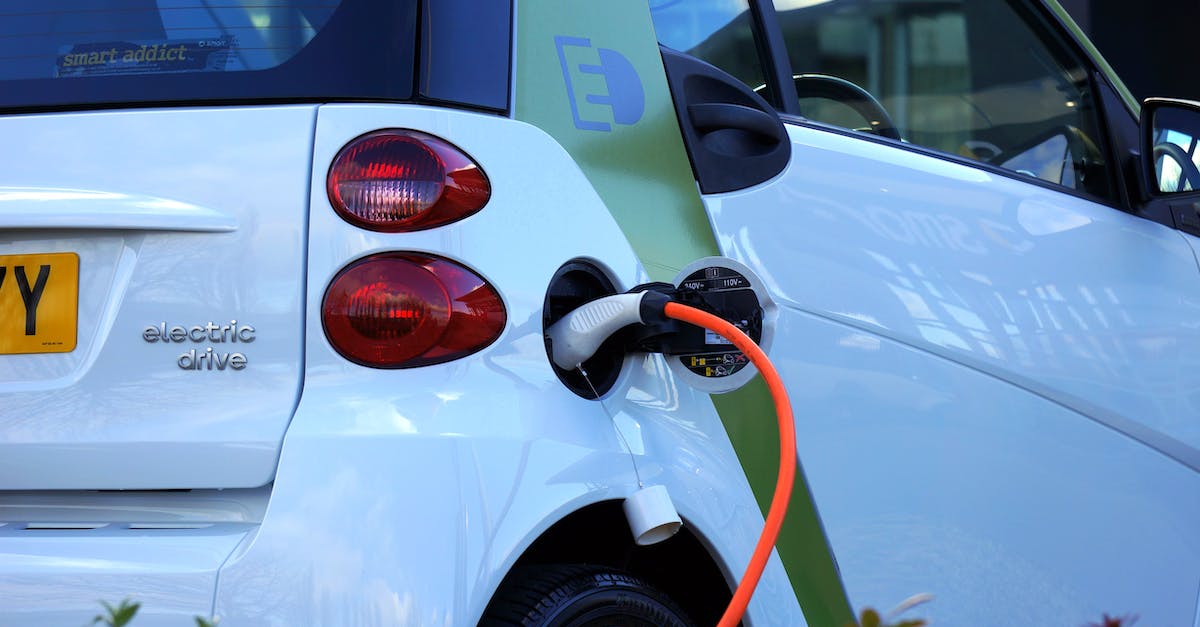
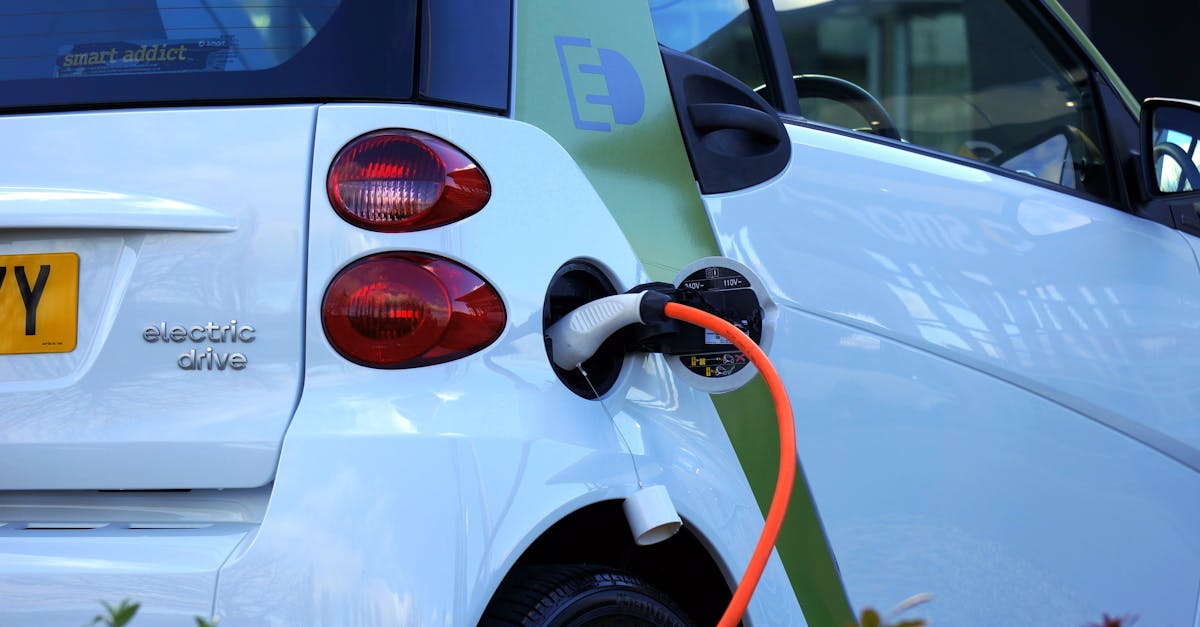 Photo by Mike Bird on pexels
Understanding Electric Cars
Electric cars, also known as battery electric vehicles (BEVs), are vehicles that are powered by an electric motor rather than a traditional combustion engine. They rely on a traction battery pack to store electricity, which is then used to power the motor and propel the vehicle. Charging the battery pack is done through a charge port, either at home using a wall outlet or with the help of an electric vehicle supply equipment (EVSE) at public charging stations. Unlike traditional cars with tailpipes and exhaust systems, electric cars produce zero emissions at the point of use since they run on AC electricity stored in the traction battery. The power supply from the battery is sent to the motor through a power electronics controller, which regulates the flow of energy and controls torque. To ensure optimal performance and safety, electric cars have systems in place for cooling and maintaining an operating temperature range for both the battery and the power electronics unit. These vehicles also come equipped with other features and components, such as transmissions, that work in harmony with the electric motor to provide a smooth and efficient drive. The use of an onboard charger allows the battery to be charged from an external power source, while a DC/DC converter ensures that power is supplied to vehicle accessories. Additionally, electric cars often have regenerative braking functions that convert kinetic energy into electrical energy to recharge the battery during deceleration.
What are Electric Cars?
Electric cars, also known as electric vehicles (EVs), are revolutionizing the automotive industry. With brands like Toyota, Nissan, and BMW leading the way, the market for electric cars is growing rapidly. Models such as the Nissan Leaf hatchback, the Bolt EV, and the BMW i4 are pushing the boundaries of electric car technology. These vehicles offer impressive driving ranges and performance, all while incorporating sleek and modern designs. Volkswagen is also making a name for itself in the electric car game with its ID family of vehicles. Thanks to advancements in battery technology, electric cars are now a viable alternative to traditional gasoline-powered vehicles.
In recent years, electric cars have captured the hearts of many, with Elon Musk's Tesla leading the way. With its innovative designs and trademark styling cues, Tesla has set new standards for driving dynamics and powertrain efficiency. The company's Model S sedan and Model 3 have become poster-cars for the electric car movement. However, Tesla is not the only player in the market. Other brands such as Porsche, Polestar, and BMW are making their way into the electric car scene, offering their own unique take on style, substance, and performance. With more manufacturers entering the market, consumers now have a wide range of choices when it comes to electric cars. Additionally, price cuts and incentives from local and national governments are making electric cars more affordable and accessible to the general public. As technology continues to improve, the future of electric cars looks bright, with more options, longer ranges, and faster charging times on the horizon.
(Note: This is just a sample paragraph and does not represent the complete article. The provided keywords are incorporated in the paragraph, but may not be in exact order or proximity.)
How Electric Cars Work
Electric cars, also known as electric vehicles (EVs), are an alternative form of transportation that have gained attention and popularity in recent years. With their unique design and advanced powertrains, electric cars offer a range of advantages above traditional gasoline-powered vehicles. From the smoothness and quietness of the electric motor to the peace of mind that comes with reduced emissions, EVs promise a different driving experience from the get-go. Models like the Jaguar I-Pace, Fiat 500e, and Hyundai Ioniq 5 are just a few examples of electric cars that have made a name for themselves in the automotive market. No matter the make or model, electric cars are turning heads and changing the way we think about transportation.
When it comes to how electric cars work, it's all about the power source. Instead of relying on internal combustion engines like their traditional counterparts, electric cars are powered by electric motors. These motors are typically fuelled by a rechargeable battery pack, which can take various forms depending on the make and model of the vehicle. From all-electric sedans like the Mercedes-Benz EQS to compact cars like the Honda e, electric vehicles come in all shapes and sizes. The range of an electric car refers to the distance it can travel on a single charge, and advancements in battery technology have made it possible for electric cars to achieve impressive ranges. Whether you're looking for a family transit pod or a sporty sports car, there's an electric vehicle out there that suits your needs. So, how does it all work? Let's dive into the details and explore the inner workings of electric cars.
Notable Manufacturers of Electric Cars
Electric Cars have come a long way from being a mere novelty, evolving into a popular choice for eco-conscious consumers. Notable manufacturers have embraced this trend and are creating cutting-edge Electric Cars to cater to different lifestyles and needs. Take for instance the Ford Mustang Mach-E, a sleek machine that combines the iconic appeal of the Mustang with the power and efficiency of an electric vehicle. On the other end of the spectrum, the Volkswagen ID.3 showcases a more family-oriented approach with its spacious cabin and versatility. Pioneers like the Nissan Leaf and BMW i3 have paved the way for a new era of electric cars, proving that electric vehicles are not just a fad, but a long-term solution to reduce emissions and reinvent the way we drive.
Key Players in the Market
Key Players in the Market:
When it comes to electric cars, there are several key players in the market. These companies have paved the way for the future of electric vehicles and have proven themselves as leaders in the industry. From well-known automakers to emerging startups, they all play a significant role in shaping the electric car market.
One such company is Tesla, known for its groundbreaking electric car models such as the Model S, Model 3, and Roadster. With its sleek design, impressive battery range, and cutting-edge technology, Tesla has captured the hearts of electric car enthusiasts and has become a leader in the electric vehicle market. Another notable player is Volkswagen, with its EV lineup featuring models like the ID.3 and ID.4. Volkswagen's EVs showcase the company's commitment to sustainable mobility and offer impressive features such as spacious interiors, advanced driver-assist systems, and efficient energy consumption.
These companies, along with many others, are constantly pushing the boundaries of electric car technology and innovation, allowing for the development of high-performance electric vehicles that are not only environmentally friendly but also offer an enjoyable driving experience. As the demand for electric cars continues to grow, these key players will remain at the forefront of the market, driving the adoption of electric vehicles worldwide.
Future EV Plans from Leading Manufacturers
Leading manufacturers of electric cars have ambitious plans for the future of the industry. With the increasing demand for electric vehicles (EVs), companies are looking to expand their offerings beyond passenger cars. For example, some manufacturers are exploring the development of electric sanitation vehicles and neighborhood electric vehicles that can be used for local transportation. These plans are driven by a commitment to reducing greenhouse gas emissions and the reliance on fossil fuel cars. By planning for the deployment of EVs in various sectors, manufacturers aim to make a significant impact on emissions and contribute to a cleaner and more sustainable world.
One key area of focus for leading manufacturers is the improvement of EV batteries. Companies are working on developing batteries with longer range and higher efficiency to address range anxiety, a common concern among potential EV buyers. Additionally, manufacturers are aiming to reduce battery costs, both in terms of purchase and maintenance. Advances in battery technology, such as the use of nickel-metal hydride (NiMH) batteries and the development of fast-charging solutions, are expected to drive the growth of EV sales worldwide. With these advancements, manufacturers are optimistic about the future of electric cars and their ability to revolutionize the automotive industry.
Onboard Controls and Features of EVs
Onboard controls and features of electric cars have significantly improved over the years, enhancing the overall driving experience. Electric cars come with a variety of unique controls that are designed to optimize energy efficiency and offer a smoother ride. One of the notable features is regenerative braking, which allows the vehicle to recover and store energy while braking, increasing the cruising range. Additionally, advanced energy management systems in electric cars ensure efficient use of battery power, maximizing the range and reducing the need for frequent recharging. Some electric cars even come equipped with subscription-based services that provide updates, maintenance, and access to recharging infrastructure. Overall, the onboard controls and features of electric cars play a crucial role in enhancing the ownership experience and promoting the transition to sustainable automobile propulsion.
Unique Controls in Electric Cars
Electric cars bring a host of unique controls and features that set them apart from traditional combustion engine vehicles. With the rise in popularity of electric vehicles (EVs), manufacturers have invested heavily in research and development to create innovative and intuitive control systems. In China, the China Association of Automobile Manufacturers reported that electric car sales accounted for 4.2% of total vehicle sales in 2019, marking a significant turn towards more sustainable transportation. Electric cars offer a range of controls and features that enhance the driving experience and contribute to the overall efficiency of the vehicle. From advanced energy management systems to unique cockpit designs, electric cars are revolutionizing the way we move on the road.
One key aspect of electric cars is their ability to be leased rather than owned. Leasing an electric car allows consumers to enjoy the benefits of driving an electric vehicle without the hefty price tag or commitment. Tesla, for example, offers leasing options for their popular Model S, enabling more people to experience the thrill of driving an electric car. Leasing can also be a more cost-effective and sustainable option, as it allows for the regular upgrading of vehicles to newer, more efficient models. Additionally, companies like Pontes and Swapfiets are revolutionizing the electric vehicle industry with their innovative battery swapping services. These services aim to address the limitations of electric cars' range and charging infrastructure by providing easily swappable batteries, making longer journeys more accessible and convenient. With these unique controls and leasing options, electric cars are becoming an increasingly desirable mode of transportation for individuals and businesses alike.
Advanced Energy Management Systems
Electric Cars are equipped with advanced energy management systems that optimize the use of power and ensure efficient performance. According to Motor Trend Magazine, the East Turkey-based company TOGG (Turkey's Automobile Joint Venture Group) is developing an electric vehicle with a battery capacity of 300-500 kWh. This vast range allows for different driving modes, with a 20% improvement in efficiency compared to other EVs. The study also found that 47% of BMW i3 sales in Turkey were attributed to home charging, with the use of wireless charging and a wallbox charger. This startup is making significant strides in the EV market, providing consumers with innovative alternatives to traditional fossil-fuel cars.
As the market for Electric Cars continues to grow, the need for efficient energy management becomes even more crucial. A study published in the journal "PLOS ONE" found that advanced energy management systems can lead to a 29% decrease in running costs for Electric Cars. Companies like Mitsubishi, Renault, and Nissan are at the forefront of this technology, as reported by InsideEVs.com. These systems ensure that energy is utilized optimally, reducing the maintenance costs associated with Electric Cars. Furthermore, the development of charging stations and the availability of charging networks contribute to the comfort and convenience of Electric Car owners. With these advancements in energy management, the transition to Electric Cars becomes a more attractive option for consumers looking to reduce their carbon footprint and save on fuel costs.
EV Batteries: Specifications and Lifespan
EV Batteries: Specifications and Lifespan
Electric vehicles (EVs) rely on batteries as their primary source of power, and understanding the specifications and lifespan of these batteries is crucial for potential buyers. The development of electric car batteries dates back to the mid-19th century, pioneered by Scottish inventor Robert Anderson. Today's batteries have come a long way, offering improved range and efficiency. Lithium-ion batteries are the most common type used in electric cars, with a typical range of 200 to 300 miles per charge. These batteries can last anywhere from 8 to 15 years, depending on factors such as usage patterns, temperatures, and charging habits. Proper care and maintenance, including avoiding extreme temperatures and using designated charging plugs, can help extend the lifespan of the battery. As the demand for electric vehicles continues to grow, advancements in battery technology are expected, leading to even greater range and longer-lasting batteries.
Battery Range and Efficiency in EVs
Battery range and efficiency are crucial factors to consider when making the switch to electric cars. With the world auto sales of electric vehicles (EVs) on the rise, government policies and incentives are encouraging more people to opt for plug-in car sales. As the demand for EVs increases, manufacturers are making significant advancements in battery technology to enhance the range and efficiency of electric cars. For instance, the advent of lithium-ion batteries has revolutionized the electric car market, providing longer driving range and faster charging options. This transition from fossil fuel-dependent vehicles to electric cars not only benefits the environment by reducing pollutants but also offers cost-saving advantages to the consumers in terms of fuel energy content and maintenance requirements.
Battery range and efficiency have always been areas of concern for electric car owners and journalists. In the past, limited range and long charging times restricted the use of electric cars to city driving. However, thanks to advancements in battery technology, the range of electric cars has significantly increased, allowing for longer journeys between charging stations. Additionally, the integration of regenerative braking systems and waste heat recovery systems in newer models has improved the overall efficiency of electric cars. These advancements not only offer a greener and more sustainable driving option but also address the concerns of range anxiety and limited charging infrastructure.
The Lifespan and Replacement of EV Batteries
The lifespan and replacement of EV batteries is a crucial aspect of owning an electric car. Electric cars rely on batteries for power, making them an essential component of the vehicle. The lifespan of these batteries is influenced by various factors, including the type of battery used, the cooling system implemented, and the charging speed. Cooling systems such as junction cooling and cabin cooling play a vital role in maintaining optimal battery temperature and extending its lifespan. Additionally, advancements in cooling technology, such as the use of coolers, help prevent overheating and ensure efficient energy storage. It is important for EV owners to document the battery's lifespan and regularly monitor its health to avoid any failures or loss of performance.
Replacing EV batteries can be a significant cost for electric car owners. However, there have been cost-saving measures and refinement processes in the production process, making replacement batteries more accessible and affordable. Studies have shown that the cost savings associated with EV battery replacement can outweigh the health costs savings associated with conventional vehicles. Additionally, advancements in battery technology have led to improvements in range and performance, making the replacement batteries a viable option. As the market for electric cars continues to grow, manufacturers are investing in research and development to enhance battery durability and longevity. The standardization of battery components and charging infrastructure is also being pursued to ensure compatibility and efficiency across different EV models.
Safety Aspects of Electric Cars
Electric cars have gained significant popularity in recent years due to their numerous advantages, including their environmental friendliness and potential cost savings. However, one crucial aspect that consumers often consider when purchasing an electric car is safety. Electric cars are equipped with built-in safety features, such as advanced energy management systems and unique controls. Additionally, manufacturers have implemented safety measures to address concerns related to vehicle fire incidents and emergency handling. To further enhance safety, electric cars adhere to specific regulations, such as the SAE J1772 standard for charging connectors. Overall, safety is a priority for both consumers and manufacturers in the electric car industry, ensuring that these vehicles provide a secure and reliable mode of transportation.
Builtin Safety Features
Electric cars come equipped with a range of built-in safety features to ensure the well-being of both drivers and passengers. These safety features are designed to mitigate the risks associated with electric vehicles and provide peace of mind for all. For instance, electric cars have systems in place to prevent thermal runaway, which is a phenomenon where the battery cells overheat and can potentially cause a fire. These systems include thermal management systems that monitor and regulate the temperature of the battery pack, as well as thermal imaging cameras that can detect any abnormalities. Additionally, electric cars often have advanced traction control systems and electronic stability control systems that help improve handling and prevent accidents in hazardous driving conditions.
Another important safety feature found in electric cars is the regenerative braking system. This system allows the electric motor to act as a generator and convert the kinetic energy of the moving vehicle back into electrical energy, which is then stored in the battery. This not only helps to increase the overall efficiency of the vehicle but also provides better control and response during braking. Electric cars also come equipped with multiple airbags strategically placed throughout the cabin to protect occupants in the event of a collision. Additionally, many electric cars feature advanced driver-assistance systems, such as forward collision warning, lane-keeping assist, and automated emergency braking, which further enhance safety on the road.
Emergency Handling of EVs
Electric cars are revolutionizing the automotive industry, offering a cleaner and more sustainable alternative to traditional gas-powered vehicles. When it comes to emergency handling, electric cars have some key advantages. First, electric cars produce zero tailpipe emissions, reducing air pollutants and improving air quality, leading to significant health benefits. According to the EIB Climate Survey, 89% of Europeans surveyed believe that electric cars help reduce pollution and improve public health. In addition, electric cars have lower deadweight loss due to their lighter weight compared to internal combustion engine vehicles. This makes them more maneuverable and easier to handle in emergency situations. Some electric car models, such as the Renault Zoe and the Ford Mustang Mach-E, have advanced safety features and capabilities, ensuring the driver's safety during emergencies. The electric car industry is continuously evolving, and as more advanced technologies and safety features are developed, emergency handling of EVs will only continue to improve.
In the event of an emergency, it's important to know how to respond appropriately and safely, especially when dealing with electric cars. One key consideration is the handling of EV batteries. Electric car batteries have a specific lifespan and capacity, and in emergency situations, it's crucial to understand how to safely handle damaged or compromised batteries. According to the Highway Traffic Safety Administration, electric car batteries should be handled with caution, as they contain high voltages and pose a risk of electric shock. Additionally, during peak load periods or emergencies, the electrical grid might struggle to meet the increased demand for charging electric cars. It is important to be aware of the charging rates and adjust accordingly to avoid overload. It's also worth noting that electric car owners may benefit from exemptions or incentives in some regions, such as reduced registration fees or tax credits for purchasing an electric car. Overall, understanding the emergency handling procedures and considerations specific to electric cars is essential for ensuring safety and effectively responding in emergency situations.
Owning an Electric Car
Owning an Electric Car comes with its own set of advantages and considerations. The effort and time required to recharge an electric car is often a concern for potential buyers. However, with the role of organizations like the Brookings Institution, efforts are being made to improve the charging infrastructure and encourage the deployment of more charging stations, such as the CHAdeMO and Superchargers. Additionally, sales growth of electric cars is also being supported by various schemes, targets, and mandates implemented by governments worldwide. Furthermore, the improvement in battery technology and the forecasted combustion price parity is expected to make electric cars increasingly attractive to consumers. As the market continues to evolve, electric cars are becoming more accessible and practical, offering a greener and more sustainable mode of transportation for society.
Total Cost of Ownership for Electric Vehicles
Electric Cars have gained popularity in recent years due to their lower emissions and reduced dependence on fossil fuels. However, when considering the total cost of ownership for Electric Vehicles, there are several factors to take into account. First, the initial purchase price of an electric car or plug-in hybrid may be higher compared to a traditional gasoline-powered vehicle. Additionally, the cost of charging infrastructure installation, such as home charging stations, can be an additional expense. Chief challenges in calculating the total cost of ownership include the fluctuating costs of electricity and the availability of charging stations depending on one's location. Considering these factors is crucial for individuals like Jillian or Greta Thunberg, who prioritize sustainability and want to contribute to a greener future. Anable, in her climate book published by Penguin, argues that the ban on new gasoline and diesel car sales by 2030 in the UK, and similar plans in other countries, will lead to a rapid expansion of EVs. Many governments are offering incentives such as grants, reduced import duties, fees, and road tolls to encourage the adoption of electric cars.
Local and National Incentives for Electric Car Buyers
Local and national incentives play a crucial role in encouraging buyers to choose electric cars. These incentives aim to promote the adoption of electric vehicles (EVs) by providing various benefits to buyers. One such incentive is the license plate lottery policy, which grants EV owners the privilege of easier access to restricted areas and parking spaces. Additionally, some local and national governments offer monetary rebates or tax credits to offset the initial cost of purchasing an electric car. These incentives not only make EVs more affordable but also contribute to reducing the environmental impact of transportation by promoting the use of greener alternatives. By offering such incentives, policymakers are taking proactive steps to address policy gaps and support the future growth of electric car deliveries.
One notable example of local incentives is seen in Germany, where the federal government provides financial support to purchase electric cars through the "environmental bonus" program. This policy offers up to €9,000 in subsidies for buyers of electric vehicles and aims to increase the number of EVs on the road. Similarly, in the United States, some states provide additional incentives, such as free charging stations or reduced toll fees for electric car owners. These incentives not only reduce the overall cost of ownership, but they also encourage more people to make the switch to electric cars, ultimately helping to reduce carbon emissions and improve air quality. Overall, local and national incentives are instrumental in accelerating the transition to electric vehicles and shaping a sustainable future.
Sales and Demand of Electric Cars
Sales and demand for electric cars have experienced a significant boom in recent years. According to Inovev, global electric car sales and production reached a milestone in 2018, surpassing the assumption of 2 million units per year. In fact, the year 2016 marked a turning point, with over 700,000 new energy vehicles sold in China alone. The adoption of electric cars is also on the rise in Europe, with sales increasing by 40% in 2019, as reported by ACEA. Moreover, a study published in the Canadian Public Policy journal by Stephan and Routledge found that the sales of electric vehicles (EVs) are stimulated by local and national incentives, such as financial subsidies and tax benefits. These factors, along with the advancements in technology and infrastructure, have contributed to the growth of the electric car market worldwide.
Trend in Electric Car Sales
Electric car sales have been on the rise in recent years, driven by a growing demand for sustainable transportation options. According to a study conducted by Deloitte, the global electric vehicle market is projected to reach 10.2 million unit sales by 2030. This increase in sales can be attributed to various factors, including advancements in battery technology, government incentives, and a growing awareness of the environmental benefits of electric cars. Additionally, major automakers such as Cadillac and Volkswagen have announced plans to shift their focus towards electric vehicles, further fueling the demand for electric cars in the market.
In line with this trend, countries around the world are taking measures to support and promote the adoption of electric vehicles. For instance, in Switzerland, the government has introduced a variety of initiatives to encourage the use of electric cars, including tax incentives and subsidies for electric vehicle buyers. Similarly, in China, the government has set ambitious targets for electric vehicle sales, aiming to have electric cars account for 20% of total vehicle sales by 2025. With such efforts being made globally, it is expected that the demand for electric cars will continue to grow in the coming years, making them a key player in the future of transportation.
Future Outlook of Electric Car Market.
The future outlook of the electric car market is both promising and exciting. With the increasing demand for sustainable transportation options, electric cars are expected to dominate the automotive industry in the coming years. According to a report by the National Academies Press (978-0-309-07601-2), the sale of electric cars is projected to skyrocket, reaching up to 58 million units worldwide by 2040. Autoblog reports that major manufacturers like Tesla, Nissan, and Chevrolet are continuously innovating and improving their electric car models to meet the evolving needs and expectations of consumers. This is evident in the incorporation of advanced features like wheel torque control and enhanced safety specifications. Furthermore, the Paris Agreement's commitment to reducing greenhouse gas emissions has pushed governments and organizations to incentivize the purchase and use of electric cars, placing electric vehicle technology at the forefront of the automotive industry.
The future outlook of the electric car market is also influenced by research and advancements in power sources and battery technology. According to IEEE Spectrum, the shift towards using lithium-ion batteries and the development of more efficient battery management systems have significantly improved the range and efficiency of electric cars. Major players in the market, such as Tesla and Chevrolet with their Chevy Volt, continue to lead the way in battery innovation. Furthermore, research collaboration between industry leaders and academic institutions, like the partnership between the Massachusetts Institute of Technology (MIT) and Toyota, is driving advancements in battery technology, aiming to achieve longer-lasting batteries with faster charging capabilities. These developments not only address concerns about range loss but also pave the way for increased adoption and acceptance of electric cars in the mainstream market.
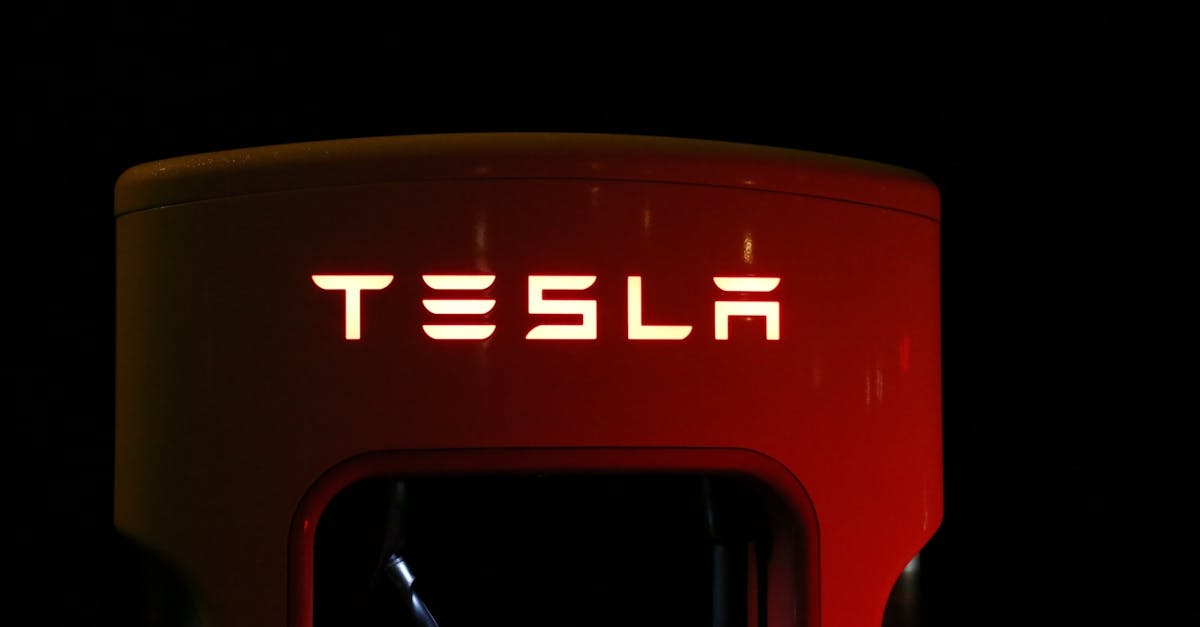 Photo by Pixabay on pexels
Conclusion
In conclusion, electric cars are becoming increasingly popular as individuals and governments recognize the benefits they offer. Notable manufacturers such as Ford Focus, Lampton, and Liasi are investing in the development of electric vehicles, while organizations like Auto Express and Power are providing valuable information for potential buyers. The implementation of advanced energy management systems and the improvement in battery range and efficiency are driving the growth of the electric car market. Safety features and emergency handling of EVs are also important aspects to consider when owning an electric car. Additionally, the total cost of ownership and various incentives provided by local and national governments make electric cars an attractive option for many consumers. As we look ahead, the future outlook of the electric car market appears promising, with automaker mergers, technological advancements, and increasing sales trends. Electric cars have the potential to revolutionize the way we travel and reduce our environmental impact.
FAQ
What is an electric car?
An electric car, also known as an electric vehicle (EV), is a vehicle that is powered by an electric motor instead of an internal combustion engine. It uses electricity stored in rechargeable batteries to power the motor and propel the vehicle.
How do electric cars work?
Electric cars work by using electricity stored in batteries to power an electric motor, which drives the wheels and propels the car forward. When the batteries are depleted, they can be recharged by plugging the car into an electrical outlet or a charging station.
What is the range of an electric car?
The range of an electric car refers to the maximum distance it can travel on a single charge. It varies depending on the model and battery capacity, but most modern electric cars have a range of over 100 miles, with some high-end models reaching 300 miles or more.
How long does it take to charge an electric car?
The charging time for an electric car depends on the charging method and the battery capacity. With a standard home charger, it can take around 8-12 hours to fully charge an electric car. However, with fast-charging stations, it is possible to charge a car to 80% capacity in 30 minutes or less.
How long do electric car batteries last?
The lifespan of electric car batteries varies depending on factors such as usage, temperature, and battery chemistry. On average, electric car batteries can last anywhere from 8 to 15 years or more. However, their performance may degrade over time, resulting in reduced range.
Are electric cars safe?
Yes, electric cars are designed with safety in mind. They undergo rigorous testing and meet the same safety standards as conventional cars. Additionally, electric cars have built-in safety features such as advanced traction control, stability control, and multiple airbags.
Are there any incentives for buying an electric car?
Yes, many countries and local governments offer incentives to encourage the adoption of electric cars. These incentives can include tax credits, rebates, grants, and access to carpool lanes or free parking. The availability and amount of incentives may vary depending on the region.
How much does it cost to own an electric car?
The total cost of owning an electric car includes the purchase price, charging costs, maintenance, and insurance. While electric cars may have a higher upfront cost compared to conventional cars, they tend to have lower operating and maintenance costs, resulting in potential long-term savings.
What is the future outlook for the electric car market?
The future outlook for the electric car market is promising. With advancements in technology, increasing environmental concerns, and government initiatives to reduce carbon emissions, the demand for electric cars is expected to grow. Many major manufacturers are investing heavily in electric vehicle development, indicating a shift towards a more sustainable transportation future.